


In the lowland fields of Eswatini, a modest demonstration farm stands among some maize farms and vegetable patches. On one side, a solar-powered irrigation pump hums; on the other, a group of local farmers inspect new varieties of leafy greens that were grown under the guidance of Taiwanese agronomists. This exemplary project demonstrates how Taiwan continues to use agricultural and climate diplomacy as an instrument of foreign policy and development engagement in Africa. This form of modest farm projects is part of a vigorous push by Taiwan through its International Cooperation and Development Fund (ICDF, 國際合作發展基金會) to combine climate-smart agriculture, interventions in food-security, and diplomatic outreach throughout the continent of Africa.
Though Taiwan’s agricultural diplomacy is not a luxuriously grand infrastructure project, it represents a strategic model of micro-diplomacy, intentionally targeted with high-impact interventions that demonstrate Taiwan’s technical expertise and global relevance. Over the years, it has become a series of targeted technical cooperation modules, training programs, seed interventions, and massive efforts in capacity building. In the international landscape of climate change and food insecurity, these small projects are propelled beyond the strategic boardroom as they are designed to advance Taiwan’s global presence, strengthen its soft-power linkages, and show that Taipei—like the People’s Republic of China (PRC)—can contribute meaningfully to shared global challenges, despite its constrained formal diplomatic recognition in many African states. As most African countries are pushing Taipei out of their political capitals due to growing pressures from the PRC, only Eswatini currently maintains full diplomatic relations with Taiwan. Still, through technical missions and development partnerships, Taiwan sustains informal yet resilient relationships that cover extensive landscapes of African countries.
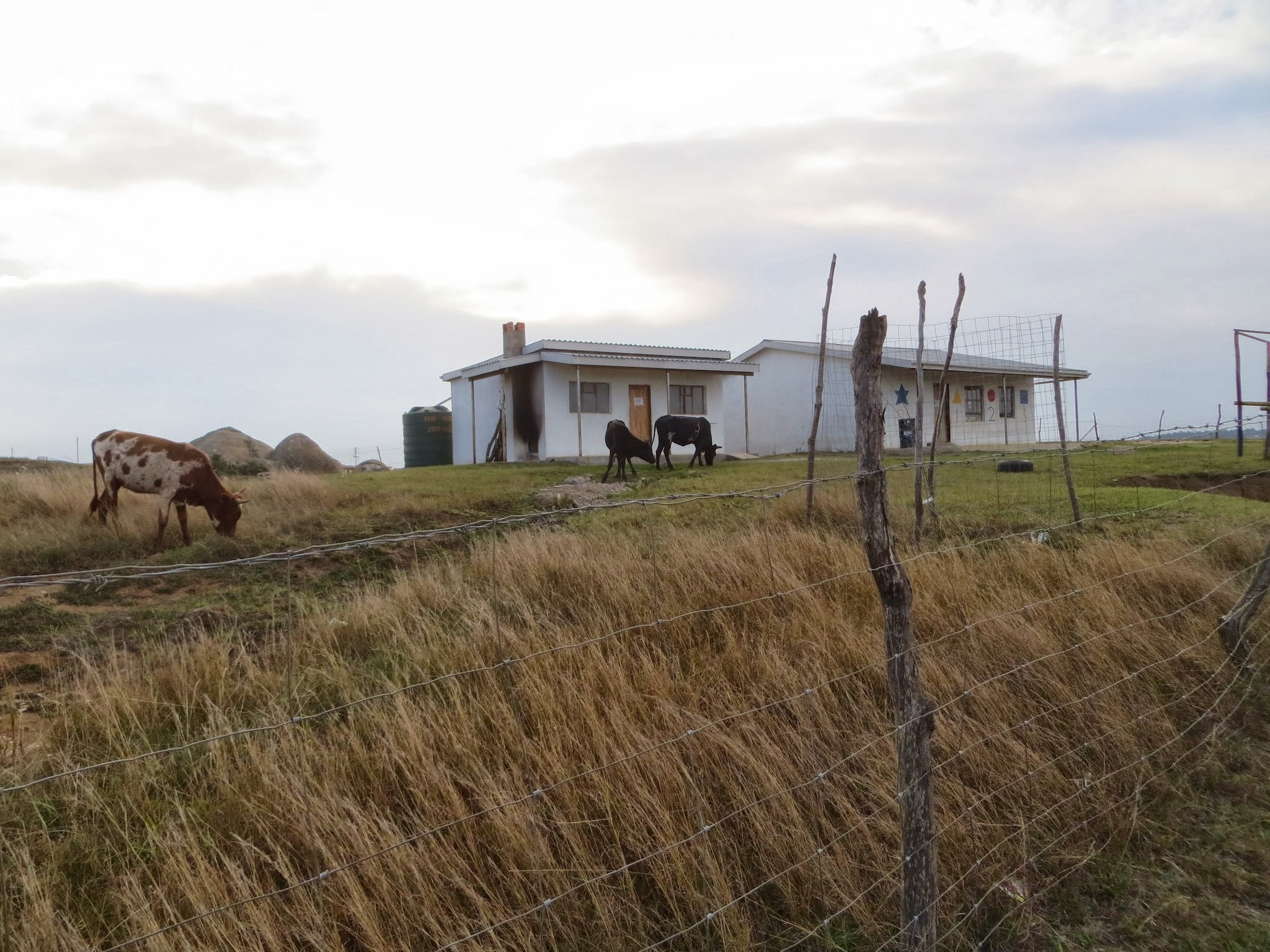
Image: Rural agricultural landscape in the Shiselweni Region of Eswatini (April 2014). (Image source: Wikimedia Commons)
From Taiwan’s Islands to Outreach
At the same time, Taiwan’s domestic realities provide a clue to the strategy it projects to the international community. With its high population density, an aging agricultural labor force, and declining food self-sufficiency, Taipei has long recognized the importance of agricultural innovation to sustaining its growing economy. As one review noted, “Taiwan is not only internationally renowned in the fields of agriculture and science and technology… but has also been able to use this comparative advantage over the years to provide assistance” to ensure a sustainable global food security.
Beyond its borders, the ICDF’s annual report for 2020 shows that agriculture and rural development remain the crux of Taiwan’s overseas assistance. Taiwan has placed much emphasis on countries with which it can still partner. Looking at Africa, this simply translates into a purposeful engagement wherein technical assistance sits well with broader diplomatic objectives that include reinforcing Taiwan’s relevance, building linkages through exchange of human capital, and the engagement of African governments through development goals that are beneficial for both parties. In this sense, agricultural cooperation serves as both a bridge of goodwill and a soft-power tool, reinforcing Taiwan’s identity as a responsible and reliable stakeholder in the world’s affairs. For example, one study of Taiwan’s “Africa footprint” notes the dispatch of agricultural missions, university partnerships and youth service schemes to African nations, even where formal diplomatic ties are minimal.
Africa as a Proving Ground
The scope of the project is enormous. In Eswatini, the Taiwan Africa Vegetable Initiative (TAVI, 臺灣非洲蔬菜倡議), which is funded by the Taiwan’s Ministry of Agriculture and Ministry of Foreign Affairs and implemented with local partners, supports school-feeding programs, seed kits, and “champion farmers” who supply highly nutritious African vegetables to schools and poor neighborhoods. As this initiative is gaining ground, a new gene bank was inaugurated at the Malkerns Research Station in 2024, and mobile kitchens supported by TAVI have reached more than 120,000 people in Eswatini in the first full year of operation.
Meanwhile, in Burkina Faso, the support Taiwan has offered through the ICDF has a longer history. As early as 1994, it contributed rice strain development and irrigated reclamation work at the Bagré reservoir region, which eventually accounted for some 26 percent of the nation’s rice production, according to Taiwanese technical staff. In eastern Africa, Kenya is facing one of the worst droughts in over 40 years. Due to that, the ICDF has partnered with a Swiss children’s rights group to launch a Water, Sanitation and Hygiene (WASH, 水、衛生與個人清潔) project in Garissa county, enabling ICDF to tie in human security of food and water with Taiwan’s technical assistance.
These practical interventions illustrate Taiwan’s multi-layered approach towards food security in Africa. In this regard, it has been engaging in training African agricultural specialists in Taiwan: for example, it created a 2025 training course at the National Pingtung University of Science and Technology (國立屏東科技大學) on “sustainable and smart agriculture” with participants from Eswatini and Somaliland, pairing it with field demonstrations, seed and technology transfers, and local institutional partnerships. What is the logic? It’s clear: building capacity. Including Taiwan’s technical footprint and fostering networks can outlast the project lifespan.
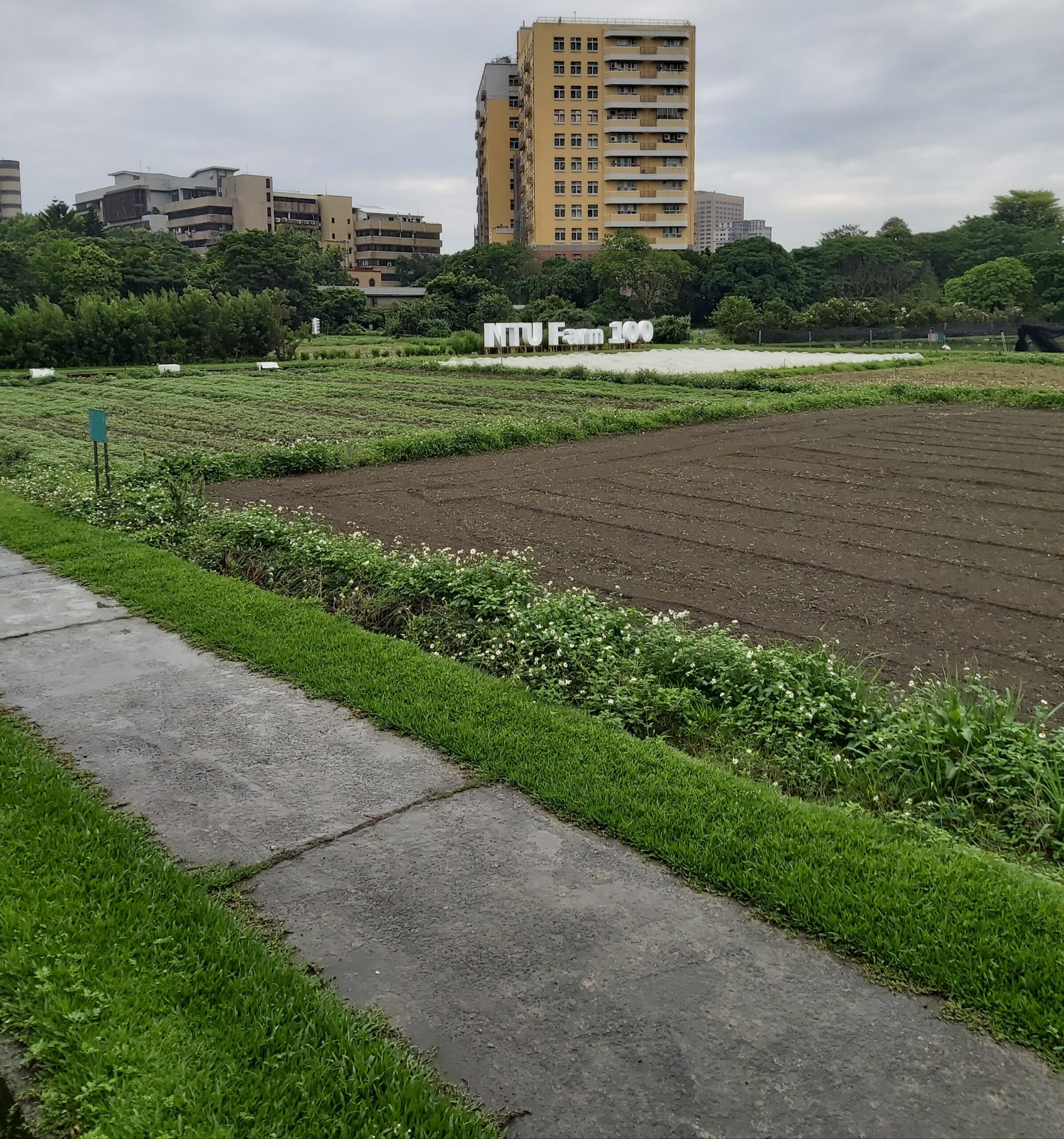
Image: Experimental Farm of National Taiwan University, Taiwan (April 2024). (Image source: Wikimedia Commons)
Navigating Local Challenges
Taiwan’s strategy has been rolled out alongside operational challenges. Fortunately, several practical and geopolitical solutions have shaped its Africa agenda over time.
One issue is the significant logistical and infrastructural challenges involved in rural African communities. In Eswatini, for example, running a cold chain or mobile kitchen infrastructure must take into account the realities of the poorly maintained rural roads, the lack of reliable electricity, and limited farmer familiarity with newer methods. The structure of the partnership is designed so that it can adapt to local capacity. Just as the TAVI mobile kitchen model is noteworthy for its localized flavor and community outreach, such models require local partner-capacity, supply chains, and continuity. This flexibility and responsiveness in aid design, which are some of Taiwan’s comparative strengths, emphasizes its adaptability (as compared to larger and more bureaucratic donors).
In addition, bureaucratic and institutional obstacles are common. This is because projects need to fit into host country agriculture ministries, university partners, or local extension agencies to work efficiently. The model Taiwan has adopted emphasizes “training the trainers” and demonstration farms to mitigate dependency and ensure sustainability. In 2009, Chen Yu-chi (陳昱齊), who studied agriculture at National Taiwan University (NTU, 國立臺灣大學) in Taipei City, noted, “the growth cycles of crops exceed the time that overseas service participants work on a given project.”
Another challenge that is particularly acute is geopolitical. Taiwan’s international space is often limited by the PRC’s widely known aggressive diplomatic campaigns in Africa. While Taiwan can deliver development assistance efficiently, its efforts are restrained by its lack of formal diplomatic status. One recent example is South Africa, which was reported to have asked Taiwan to relocate its Trade Representative Office from Pretoria without any precedent tensions. After Pretoria’s orders, many interpreted the move as a show of Beijing’s pressure on Taipei. In such environments, Taiwan is left with no other option than to operate under the radar—mainly through technical missions, university exchanges, and NGOs, rather than state-to-state programs. Such indirect channels make for reduced visibility for Taiwan’s assistance programs, but arguably increase their resilience to diplomatic turbulence.
Impact and Limitations
What, then, are the results? The truth is, Taiwan’s model is replicable. Indeed, it continues to generate credible outcomes, although quantification and longitudinal evaluation remain uneven.
As has been demonstrated in Burkina Faso’s Bagré region, the ICDF mentioned some transformation in the reclamation of land as well as rice output improvements. One Taiwanese technician noted that locals “used to work under the scorching sun without ever taking a rest… now they know they can get a good price for their crops.” Similarly, the TAVI model in Eswatini has reached more than 120,000 people and counting through outreach events in its first year of operations alone. The program is widely considered to be a notable demonstration model of this kind.
However, these outputs’ limitations are worth noting. For Taiwan, many projects are small in size compared to ones funded by major donors from Asia, Europe, or the United States. When measured, data on year-over-year resilience gains, climate-shock adaptation, and impact on national food-security metrics is thin. Due to that, there are calls for stronger monitoring, evaluation and learning (MEL, 監測, 評估與學習) frameworks in Taiwan’s development assistance so that improvements would demonstrate evidence of sustainable impact.
Moreover, the challenge of diplomatic recognition means that Taiwanese programs may be bereft of full access to bilateral or multilateral financing, even limiting their reach or replicability. There is also the challenge of visibility. Where it occurs, smaller scale may limit the narrative power that large infrastructure projects would enjoy—though arguably, the embedded nature of these programs in local communities may foster deeper ties.
Policy Implications for Taiwan and its Partners
The agricultural diplomacy of Taiwan in Africa offers several policy implications. First, smaller African states can build meaningful global engagement through selective capacity building, rather than seeking large-scale infrastructure transformation. Taiwan’s strategy always puts technical excellence on its priority list, as well as sustainable agriculture, customized training, and institutional linkages.
Second, relating technical assistance to global challenges helps Taiwan integrate into current broader international policy debates. Taiwan’s ability to tie its work to “SDG 2,” or “Zero Hunger” (永續發展目標 2:消除飢餓), the United Nations goal to end hunger and promote food security, and to broader climate action frameworks, further strengthens its relevance.
Third, sustainability and scaling require stronger and more accurate measurement. It will benefit Taiwan’s development agencies to develop more robust MEL systems, publish independent evaluations, and quantify resilience gains. That step would enhance legitimacy, especially if Taiwan seeks to coordinate with other donors or multilateral organizations across Africa. Data transparency could also increase the credibility of Taipei in the international development community.
Fourth, African partner countries benefit from Taiwan’s approach, but should also consider how to integrate programs into their national systems—and to ensure that technical transfers lead to lasting change. African ministries, farmers’ associations, and universities can strengthen their partnerships with Taiwan by institutionalizing staff trained by Taiwan, improved program design, and locally relevant monitoring.
Fifth, geopolitical vulnerability means that diversification is important. Although Taiwan’s low-profile and technical engagement model is resilient, Taipei might consider greater coalition building to enhance visibility and influence. Examples include joint programs with other like-minded donors; seeking deeper private-sector linkages (for example, with Taiwan’s technology firms); and more outcomes for public communication. As one example, Taiwan’s soft-power engagement in Nigeria is already exploring technology-supply-chain ties via diverse Taiwanese tech firms and agricultural missions.
Conclusions
Taipei suffers from diplomatic isolation, but remains an important contributor to global public goods, food security, climate mitigation, and innovation. This helps reframe the identity of Taiwan in international relations from the issue of its contested sovereignty to constructive partnerships.
Taiwan’s agricultural commitment in Africa may not dominate headlines in mainstream media, but precisely because of its modest dimension, technical focus, and local embedding, it deserves attention as a model of effective and beneficial diplomacy. Through training programs, demonstration farms, mobile kitchens, and vegetable seed systems, Taiwan is planting seeds of cooperation that may grow long beyond diplomatic limitations and outlive the challenges currently being faced.
The key question now is whether Taipei can convert these seeds into a visible harvest: one that strengthens institutional presence, broadens program reach, and deepens African integration. If it succeeds, Taiwan’s field tractors and solar pumps may become more than development tools; they may become the pillars of Taiwan’s global engagement narrative and new soft-power strategy. For farmers in Eswatini harvesting green leafy vegetables, for students in Burkina Faso trained in sustainable rice production, and for Taiwanese agronomists working across the length and breadth of the continent, the work is real. For policymakers in Taipei and capitals across Africa, the challenge is less about high-brow gestures and more about sustaining the growth of cooperation.
The main point: Taiwan is using technical, small-scale, agricultural and climate programs in Africa to build partnerships that have impacts beyond formal channels of diplomacy. By linking food security, capacity-building, and climate adaptation, Taipei is redefining its development diplomacy and showing that effective partnerships can thrive even without formal recognition.

.jpg)
